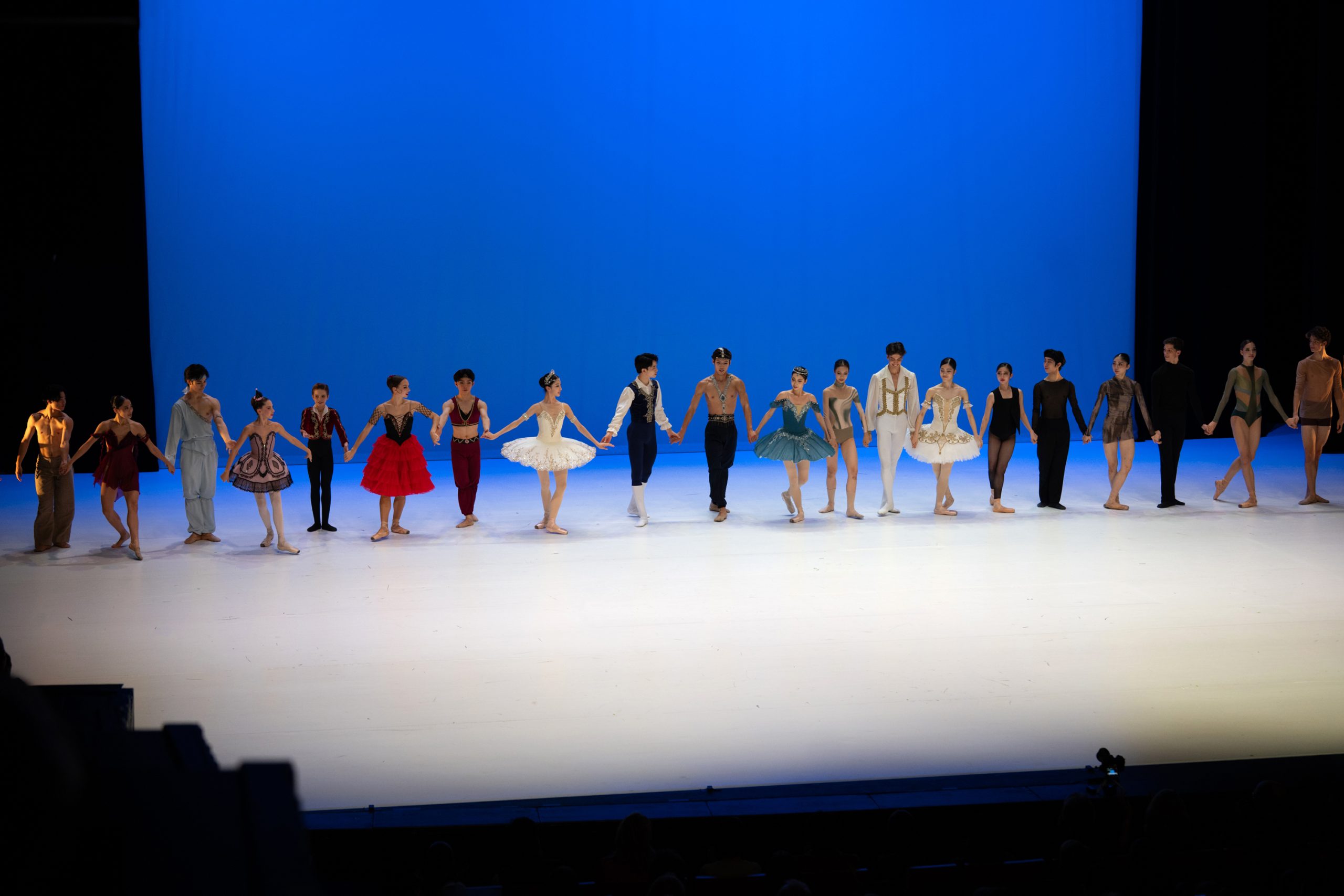
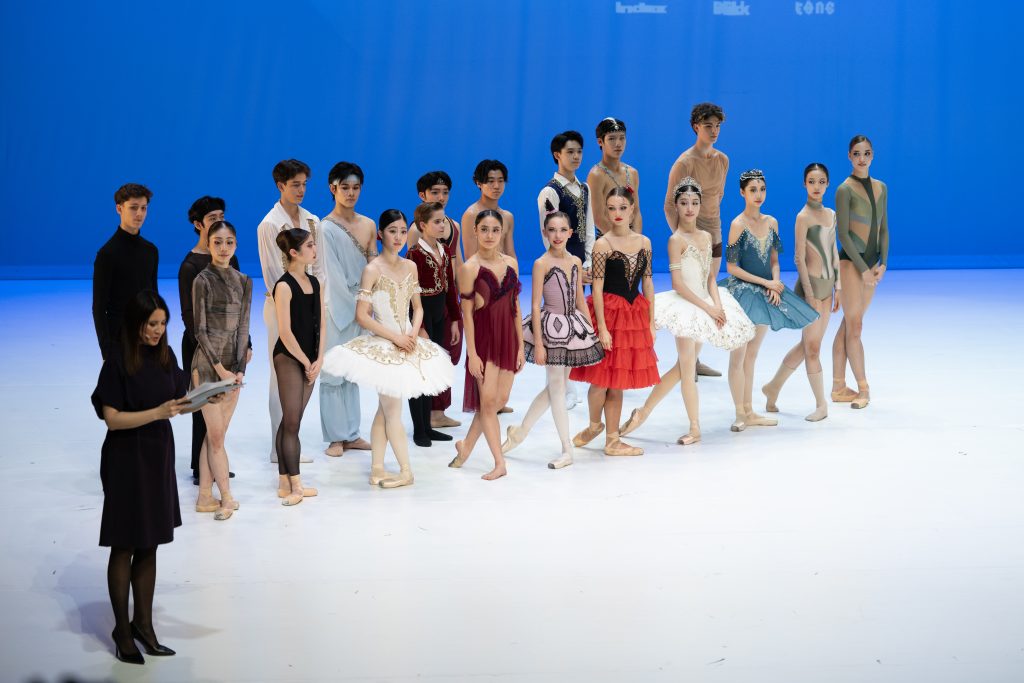
After five days, 23 countries, 93 young dancers, and countless memorable moments, the fourth Budapest Ballet Grand Prix concluded on Thursday evening, once again culminating in a grand-scale gala held at the Müpa Festival Theatre. The top performers from the international ballet competition took to the stage—no longer vying for jury points, but rather to entertain and, naturally, dazzle the audience. The evening brought together the elegance of classical ballet, the expressive power of contemporary dance, breathtaking technical feats, and a festive atmosphere. And while the competition has ended, the dance continues; Budapest has once again demonstrated that it holds a rightful place on the diverse map of the international ballet world.
Photos by Adrienne Horváth / BBGP2026
It is often said that in the world of ballet, technical perfection and artistic expression are inseparable requirements—that the effortless grace seen on stage is underpinned by years of consistent hard work, discipline, and sacrifice. There is certainly much truth to this; for young dancers, it presents a particularly formidable challenge to showcase the fruits of this labor in an international competitive setting, before some of the most distinguished figures in the profession. The Budapest Ballet Grand Prix offers precisely this opportunity; this Hungarian-hosted ballet competition has become an annual meeting point where talented dancers from various countries and ballet schools can not only test their skills against one another but also gain insight into each other’s artistic worlds.
Launched by the Hungarian Dance University, the competition was held for the fourth time this year—taking place from November 15 to 19. The organizers’ long-term goal remains to establish Budapest as a key Central European hub for the international ballet scene—or, perhaps more accurately, to maintain its position as such, given that interest in this year’s edition surpassed all previous records. A total of 203 applications were received from 41 countries, with 93 young dancers from 23 nations ultimately participating in the event. The semi-finals and the final—held on November 18—took place at the National Dance Theatre, featuring a diverse program of classical and contemporary choreography, as well as performances by dance pairs.
However, this multi-day competition is about much more than just medals and rankings. The contestants received feedback from internationally renowned experts, honed their skills in masterclasses, and forged connections that could shape the course of their future careers. All of this culminated on November 19th at the Müpa Festival Theatre, where the tension of competition gave way to the joy of uninhibited performance, and the pressure to prove oneself was replaced by the invigorating energy of the stage.
From a Dream to an International Meeting Point
The sold-out gala evening began with a formal welcome from Márta Fodorné Molnár. In her address, the Rector of the Hungarian Dance University emphasized what a great source of pride it is for the institution to have hosted the Budapest Ballet Grand Prix for the fourth time. As she noted, “the competition is much more than a simple contest; it has allowed young dancers to gain insight into the international dance scene, acquire new professional experience, and even the preparation process itself has contributed to their development.”
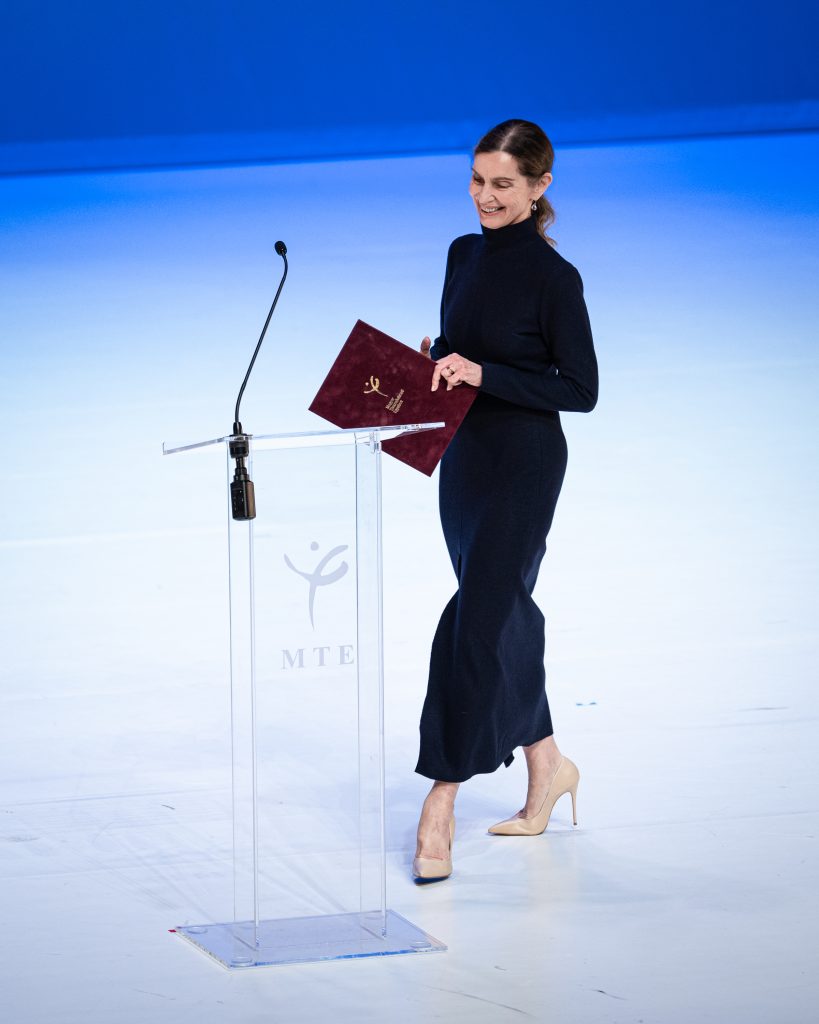
The Rector also highlighted the significance of the scholarships and professional invitations offered to the award winners, which may open up new opportunities for these young artists. At the same time, she pointed out that the true value of the competition is not measured solely by the success of the winners; the past few days have helped every participant move closer to fully realizing their own potential.
“We are now seeing the very best—among them, the stars of the future,”
the Rector emphasized. The opening remarks were followed by a speech from Tamás Nagy, Competition Director of the Budapest Ballet Grand Prix, who recounted the inception of the event in a more personal tone.
“In 2023, the idea of establishing an internationally recognized ballet competition in Hungary was merely a dream. That dream has now become a reality,” he stated.
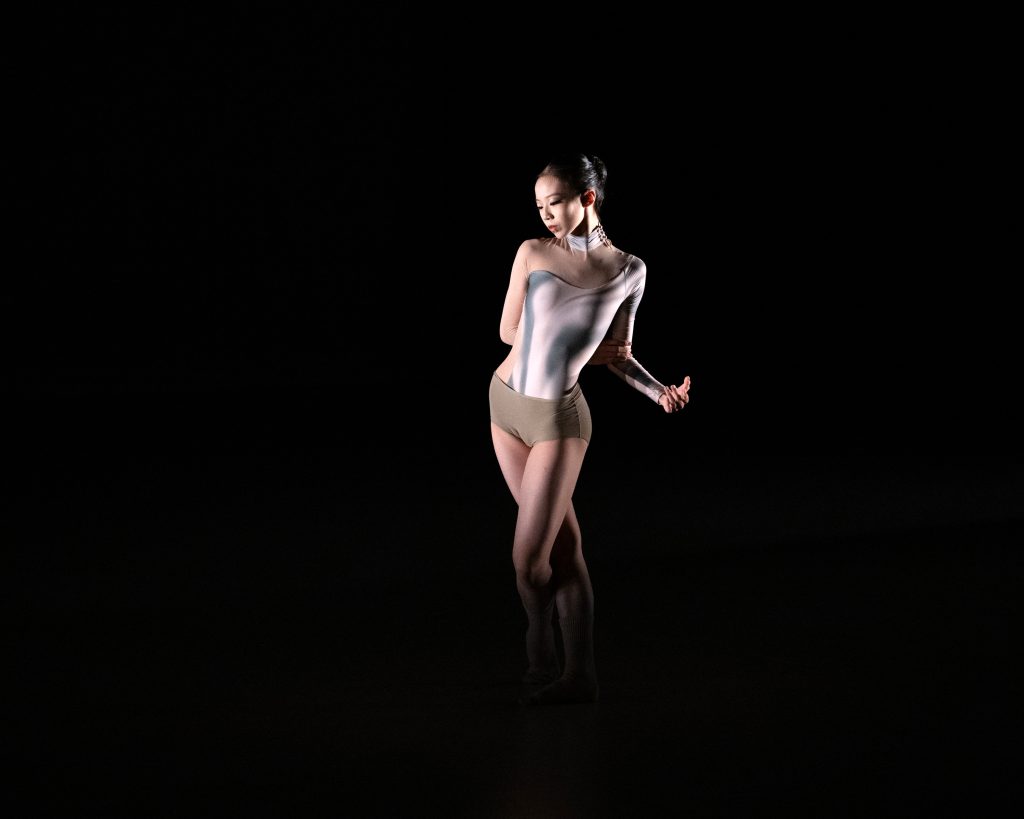
The Competition Director illustrated the scale of the performances over the past few days with figures, noting that a total of approximately 15 hours of live performance had been brought to the stage. He offered special praise to the young participants—aged just 12, 13, and 14—who met the challenges of the competition with a level of stamina and discipline that often rivaled that of adults.
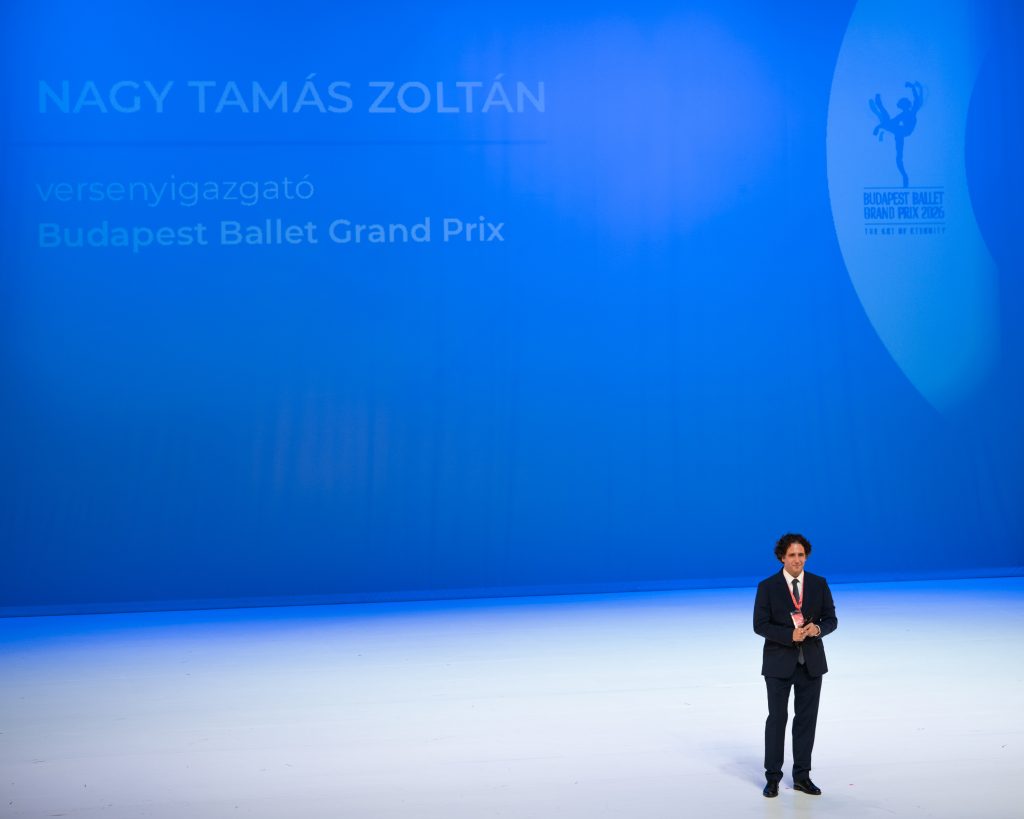
After highlighting the perseverance and professionalism of the contestants, Tamás Nagy expressed his gratitude to the organizers, colleagues, répétiteurs, and masters, without whose efforts the event could not have taken place. He specifically acknowledged the two guest ballet masters—Anita Magyari, a former prima ballerina at Teatro alla Scala in Milan, and David Makhateli, a former soloist with The Royal Ballet in London—both of whom have contributed to the professional aspects of the competition for years.
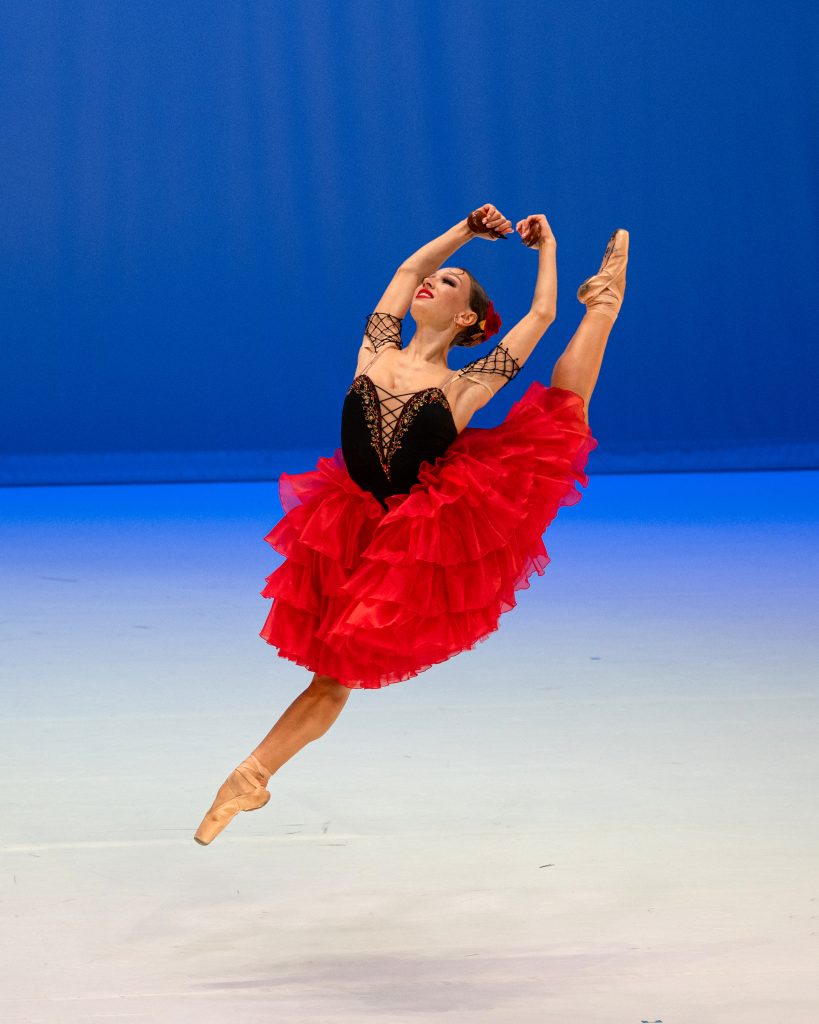
The latter was mentioned more than once during the gala; in fact, over the course of the evening, David Makhateli was awarded the title of Honorary Professor by the Hungarian Dance University—a recognition not only of his international career but also of his professional ties to the training of dance artists in Hungary.
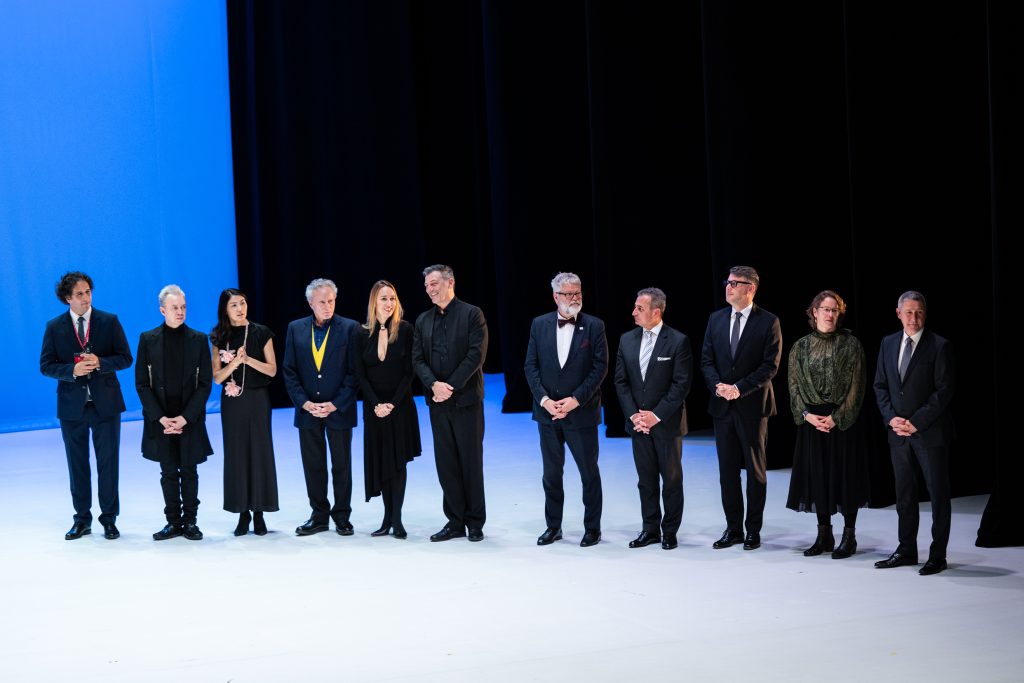
It is also worth noting that the prestige of the competition was once again upheld by a jury composed of internationally acclaimed artists. The panel was chaired by the Hungarian-born choreographer and ballet director György Vámos—known internationally as Youri Vámos—joined by Alija Tanikpajeva, Nina Poláková, Vladimir Malakhov, and Raimondo Rebeck, who evaluated the contestants’ performances and later took part in presenting the awards at the gala on Thursday evening. The presence of these jurors—representing diverse ballet traditions and professional perspectives—serves as perhaps the strongest evidence that, in just a few years, the Budapest Ballet Grand Prix has truly grown into an event of international significance.
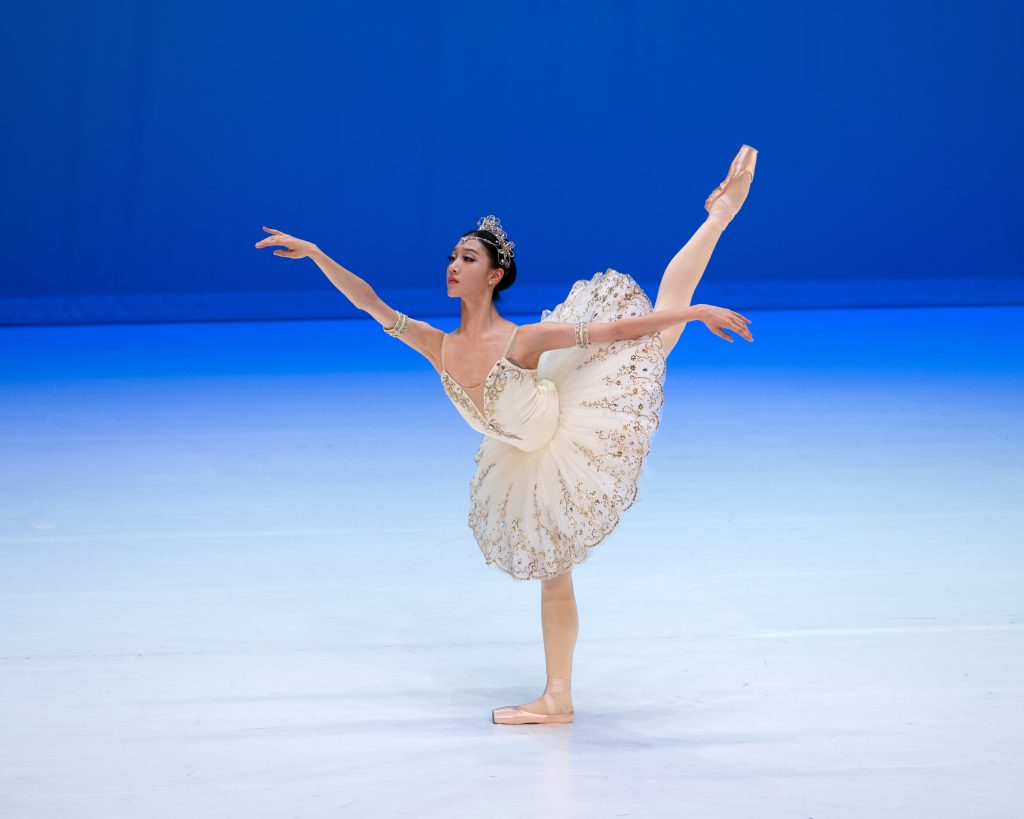
A spirited gala performance following marathon days of competition
Beyond the welcoming remarks and the formal awards ceremony, dance naturally took center stage on Thursday evening. On the stage of the Müpa Festival Theatre, a succession of performances—which had already proven their merit before the jury during the preceding days of the competition—were brought to life once more, albeit in an entirely different setting. The performers were, of course, the same young artists who, just a few days earlier, had vied for top honors under the stern gaze of the judges; yet, the atmosphere of the gala brought out something entirely different in everyone. This is hardly surprising, as the focus was no longer on scores, advancing to the next round, or flawless execution, but rather on the liberating power of dance.
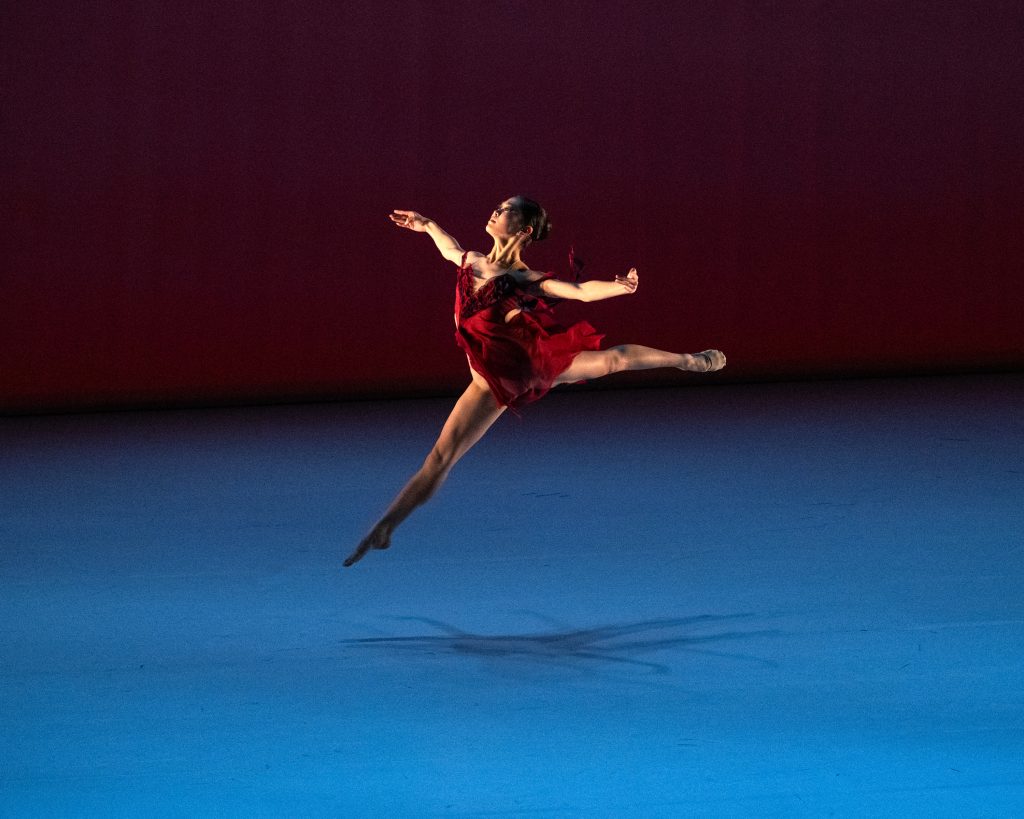
The evening truly became a celebration of ballet.
Alongside the elegance of classical choreography—endless turns, leaps that seemed weightless in mid-air, and exquisitely refined movements—the emotional intensity of modern dance also took center stage, at times making us, the audience, forget the very youth of the teenage performers.
While the spectacular technical feats were, as always, impressive, the true power of the performances often emerged when a movement transcended these technical details to convey genuine emotion or a story. Indeed, one of the gala’s greatest strengths was precisely this diversity. Dancers from various countries—representing different schools, traditions, and artistic approaches—found a common language: the language of dance. The rigorous formal language of classical ballet alternated on stage with the freer movement systems of contemporary choreography; despite their differences, these styles did not negate one another—leaving us to simply watch the unfolding events with wide, sparkling eyes.
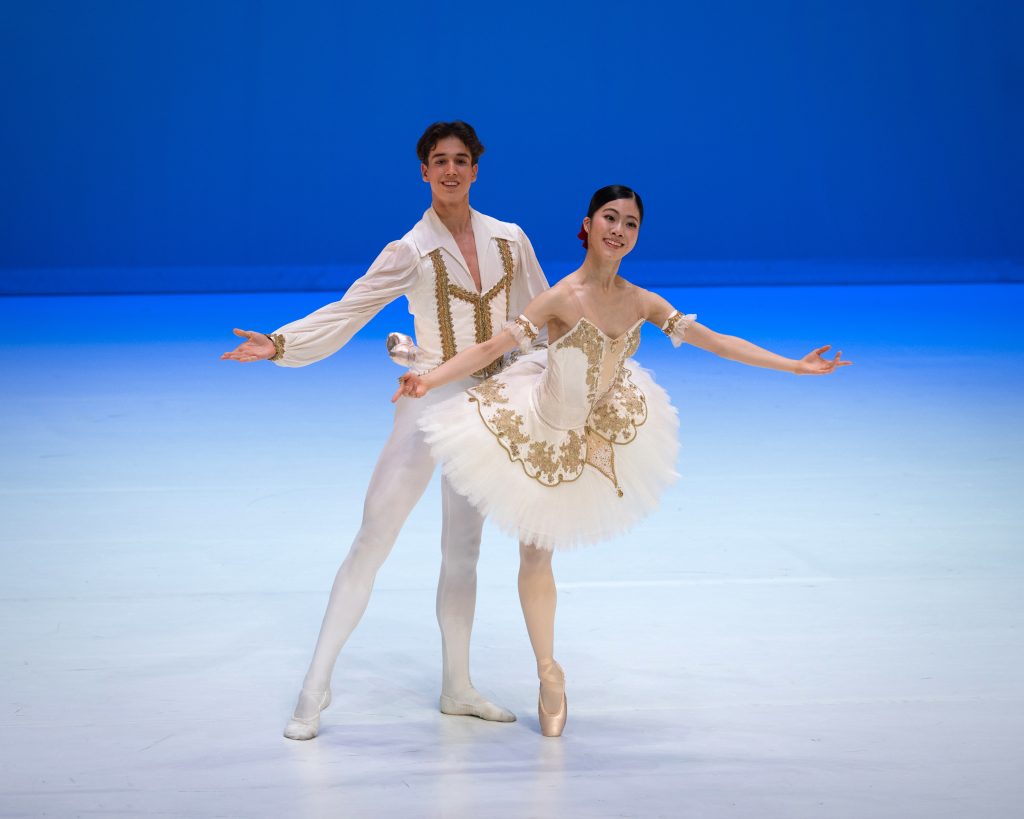
The *pas de deux* performances added a particularly compelling dimension to the evening, highlighting not only individual virtuosity but also the trust, harmony, and sensitivity shared between partners. After all, a duet is more than just two exceptional performers executing sequences side by side; such a performance becomes truly impactful only when the movements of the two artists blend—almost imperceptibly—into a single, unified whole.
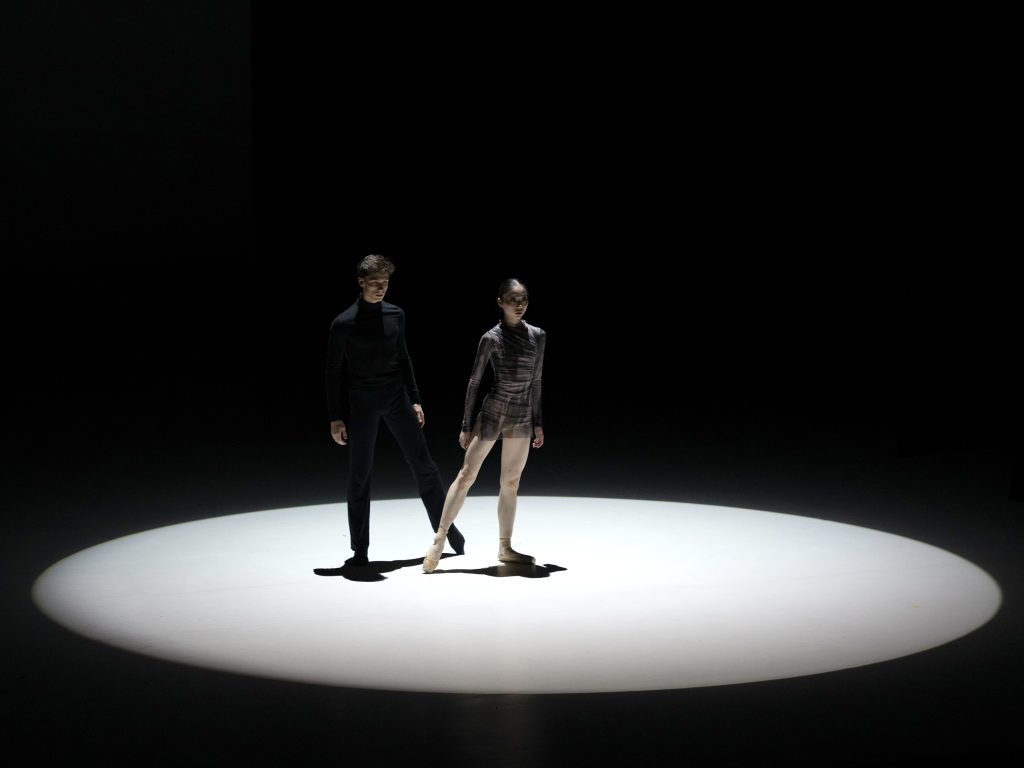
The Ballet World’s Brightest Prospects in Budapest
Beyond the artistic performances, the formal awards ceremony also deserves mention—after all, this was, at its core, a competition. The top performers from the multi-day event took to the stage at Müpa to receive their accolades; yet, these awards signified far more than mere rankings.
The scholarships, professional invitations, and special prizes offer opportunities that could shape the entire career of a young dancer.
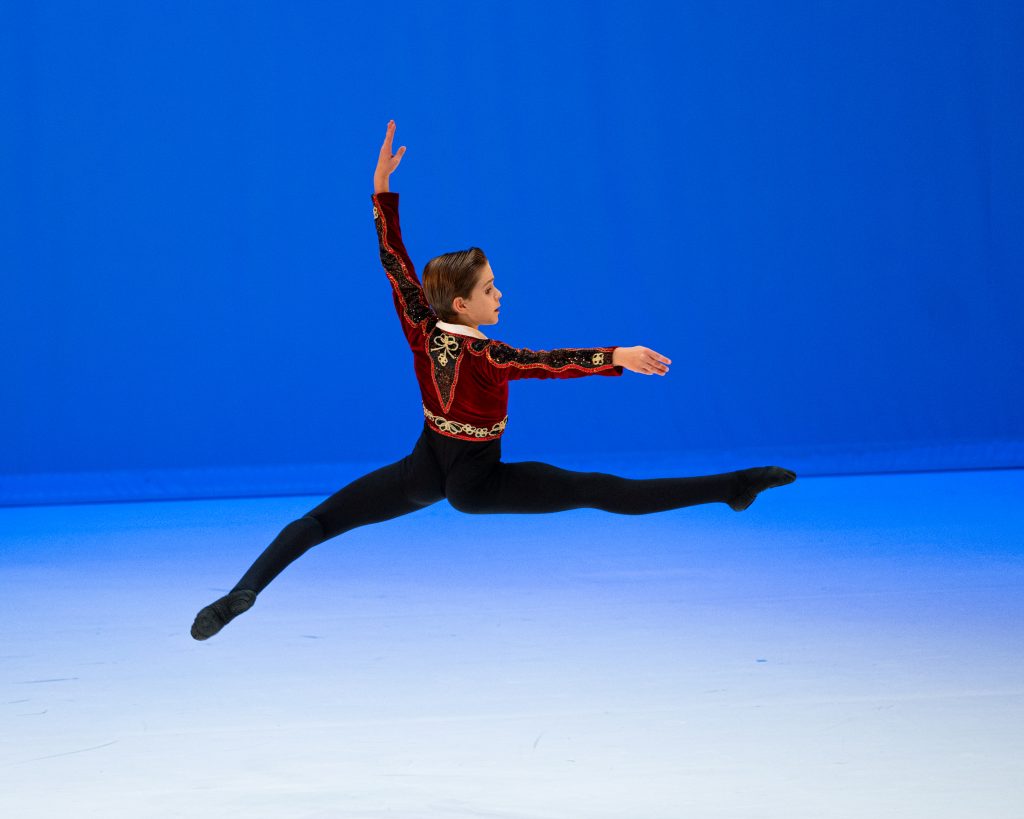
In the junior solo category, the winner was Kirill Kopaiev, competing for Portugal, while Desihan Zhang from China proved to be the best in the senior division. In the latter category, the superiority of Chinese dance training was particularly striking, as Chinese competitors swept all three spots on the podium. In the *pas de deux* category, first place went to Yuerong An and Ziran Wei, students from the Guangzhou Art School.
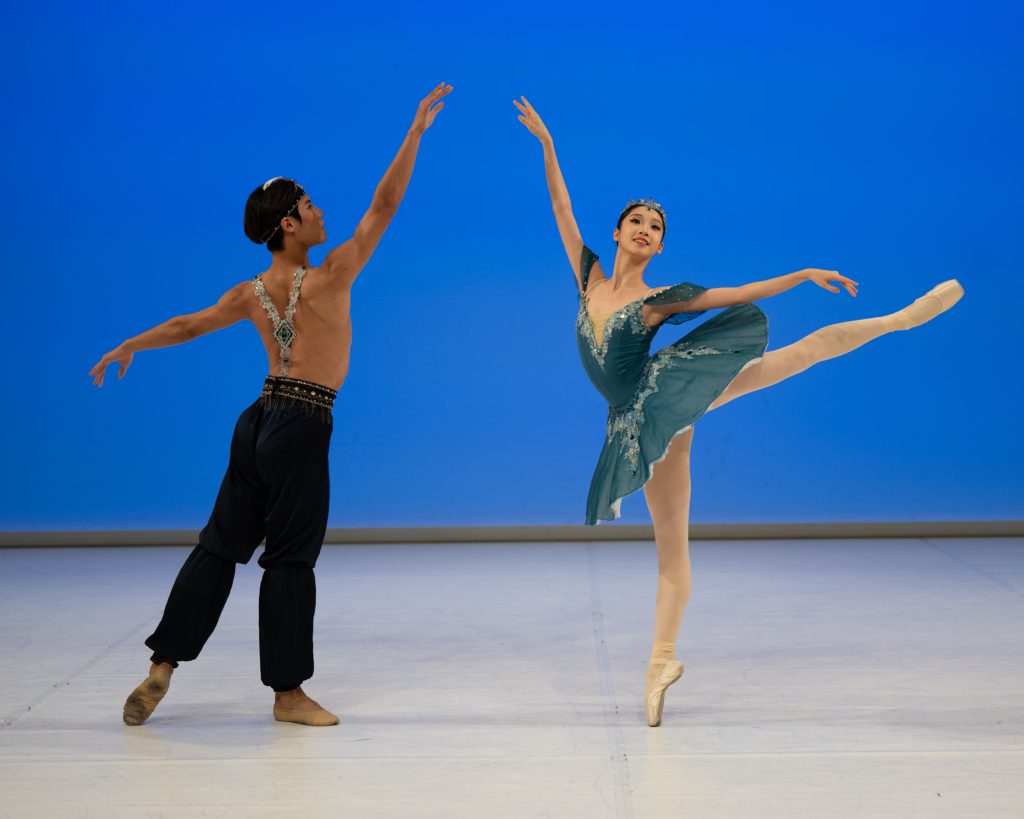
Furthermore, the host nation also has reason to be proud, as Hungarian participants achieved outstanding results. Among the students of the Hungarian Dance University, Márton Balog and his Japanese partner, Sora Sudo, took second place in the *pas de deux* category, while László John and Kaoru Hayakawa secured third place—both performances were met with thunderous applause at Müpa. These podium finishes in an international field not only won the hearts of the audience but also clearly demonstrated the high standard of dance training in Hungary.
During the evening, in addition to the trophies awarded to the winners of each category, several special prizes were presented.
The special award for the most outstanding young talent went to Haru Sugimoto and Milana Alzhanova; Desihan Zhang received the prize for the best modern performance, while the recognition for the best Hungarian performer was awarded to Boróka Kosaras. Soma Kato was awarded the special prize of the Hungarian Dance University, while the jury’s special prize went to the Japanese duo Karen Satomura and Jo Watanabe.
And although the 4th Budapest Ballet Grand Prix has now concluded, there is a good chance we will meet the next generation of ballet dancers in Budapest again in a year’s time. Until then—let there be dance!
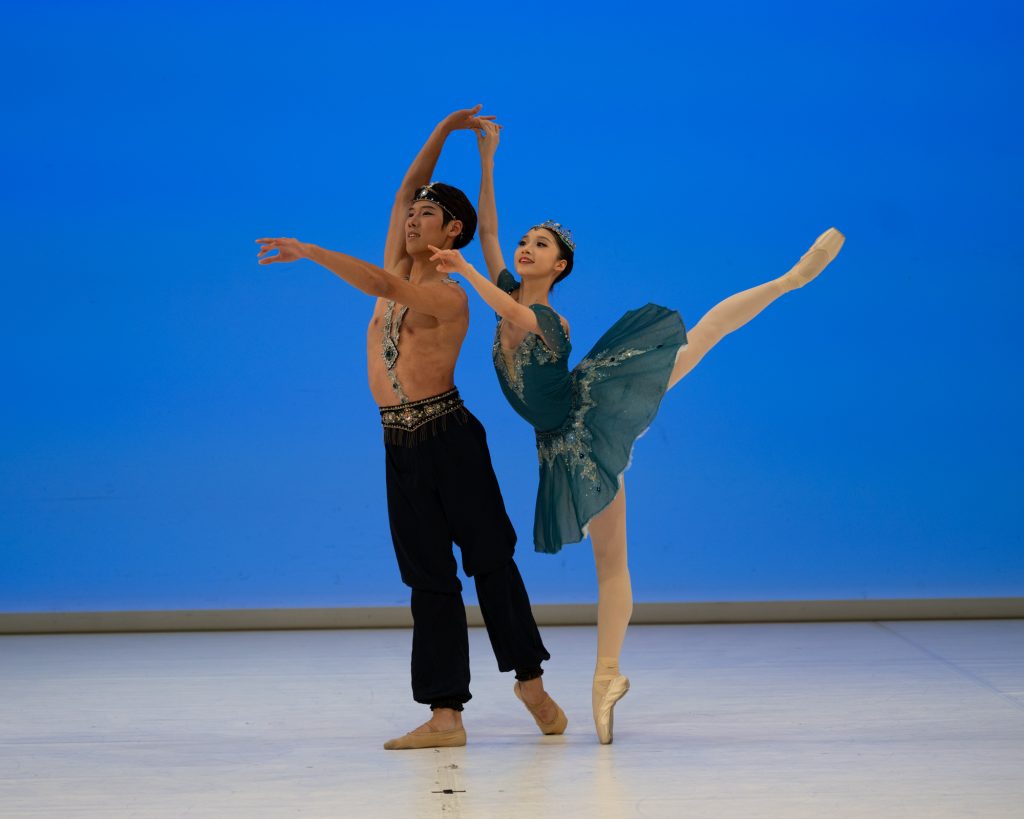
Final results of the competition:
PAS DE DEUX
1. Yuerong An, Ziran Wei (CHN) – Guangzhou Art School
2. Sora Sudo (JPN), Márton Balog (HUN) – Hungarian Dance University
3. Kaoru Hayakawa (JPN), László John (HUN) – Hungarian Dance University
JUNIOR SOLO
1. Kirill Kopaiev (POR) – Conservatorio Internacional de Ballet e Dança Annarella Sanchez
2. Kamilla Latifi (ITA) – Conservatorio Internacional de Ballet e Dança Annarella Sanchez
3. Lena Hatanaka (USA) – independent
SENIOR SOLO
1. Desihan Zhang (CHN) – Beijing Dance Academy
2. Tianyu Yang (CHN) – Beijing Dance Academy
3. Qihan Gong (CHN) – Guangzhou Art School
JURY’S SPECIAL PRIZE:
Karen Satomura, Jo Watanabe (JPN) – Hungarian Dance University
Text: Lendvai András (index.hu)