
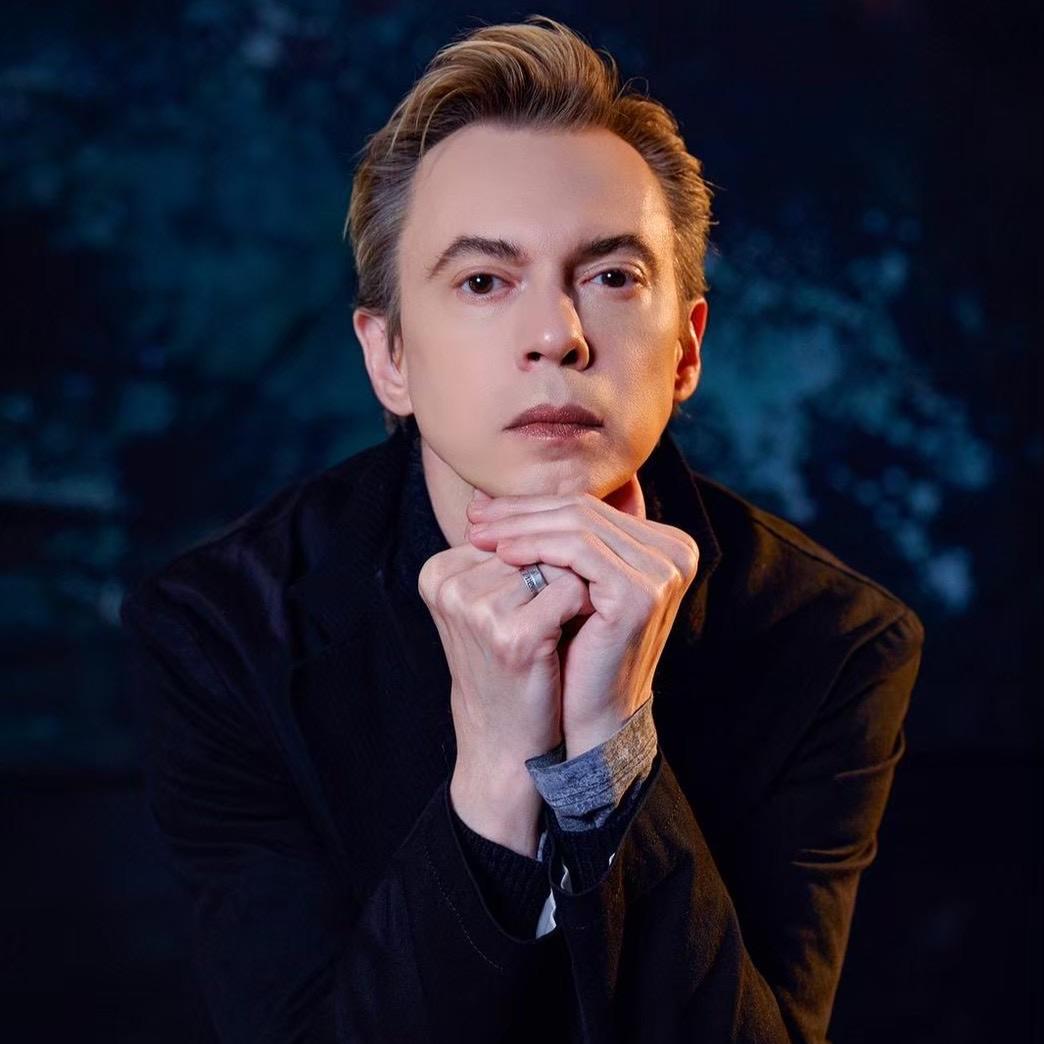
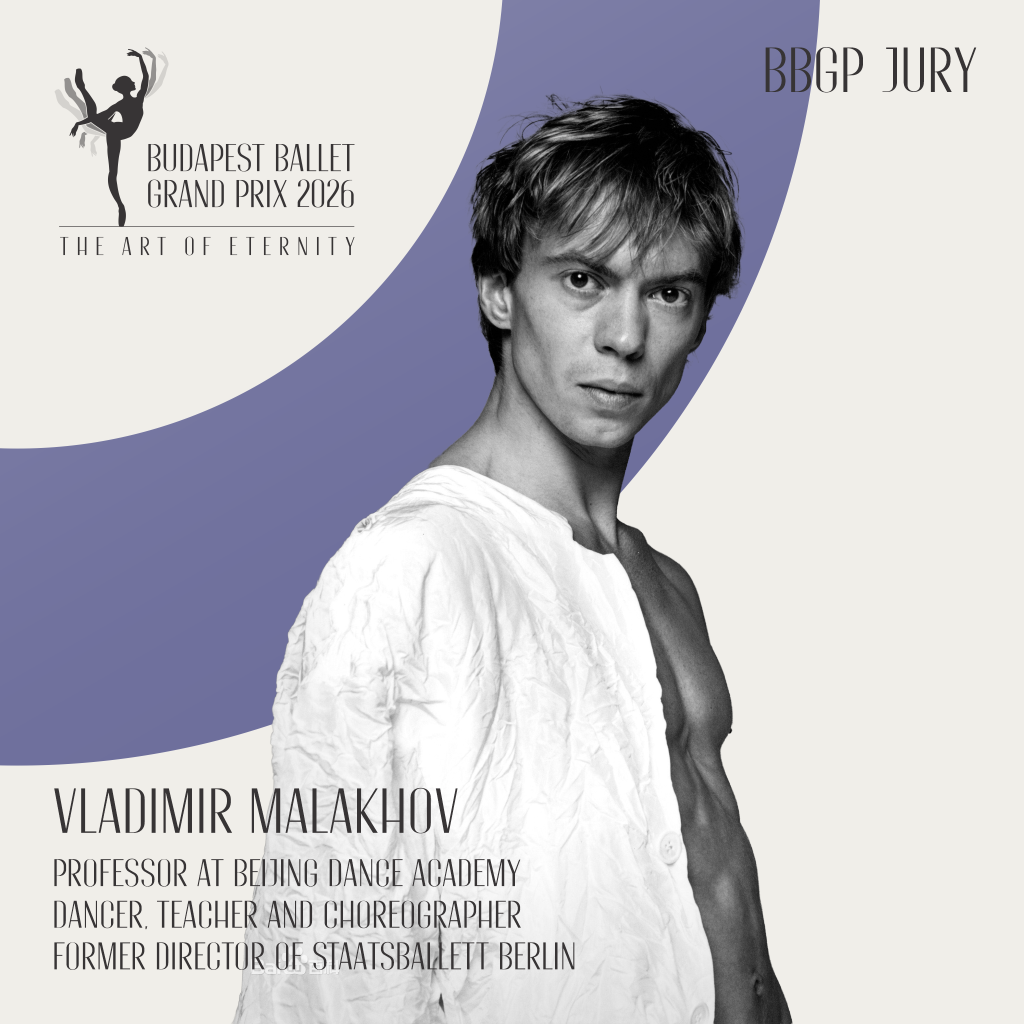
The Budapest Ballet Grand Prix—Hungary’s most prestigious international ballet competition—will take place for the fourth time this November. A record number of entries have been received for this year’s event, with 145 ballet artists from over 40 countries signing up so far. This surge in interest is due to the competition’s growing international renown and the presence of world-renowned ballet stars who have served on the jury over the years. For this year’s competition, the Organizing Committee has secured a true global icon: the Ukrainian dancer Vladimir Malakhov.
Many consider this world-famous Ukrainian ballet dancer and choreographer to be one of the finest male dancers of his generation. Malakhov is known for his effortless jumps, superb technical skill, and emotional depth on stage. He has won numerous prestigious awards, including the Prix Benois de la Danse and the Nijinsky Award. In the 1990s, *Dance Magazine* named him the world’s best male dancer on several occasions.
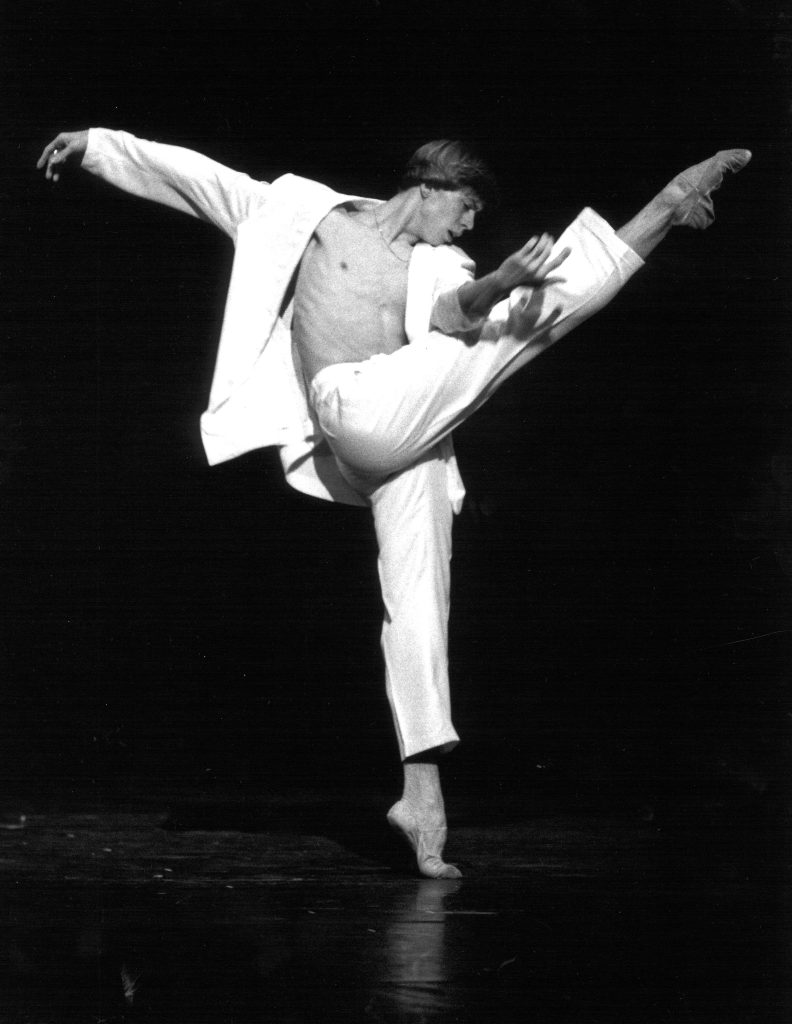
Photos by Alekszej Dolbilov
Malakhov underwent rigorous training at the Bolshoi Ballet School in Moscow. He danced as a principal soloist with several world-famous companies, including the Moscow Classical Ballet, the Vienna State Opera Ballet, the National Ballet of Canada, and the American Ballet Theatre.
From 2004 to 2014, he served as the first artistic director of the Berlin State Ballet (Staatsballett Berlin). Later, he worked with the Tokyo Ballet and also taught at the Beijing Dance Academy.
In collaboration with the magazine *Táncművészet* and the organizing committee of the Budapest Ballet Grand Prix—Virág Sóthy, Dániel Mezei, and Alekszej Dolbilov—an interview was conducted with the world-renowned dancer as he prepared for his visit to Budapest.
What memories do you have of Hungary?
For me, Hungary is not just a point on the map, but a feeling. I remember the warmth of the audience, the depth of their attention, and that hushed silence in the hall—a silence that spoke louder than applause. Hungarian artists possess a unique musicality and soul; the work done here was always sincere and vibrant. These memories are about a genuine connection—moments when the participants do not merely perform art but share it with one another.
Why is a competition like the BBGP important for young people?
Because it has the power to change lives. The competition is a moment of truth: when a young dancer steps out of the rehearsal studio and into the real world. It teaches courage, focus, and self-identity. You discover who you are under pressure, what you are capable of delivering, and just how far you are willing to go. The BBGP is not just about medals or results; it is about discovering yourself as an artist.
Do you remember who gave you truly good advice when you were in a similar situation?
Yes! I still carry the most important lessons with me to this day. Many people told me, “Don’t chase success; chase substance and meaning.” And also, “Work every day as if it were your only chance!” These are simple words, yet they stay with me—on stage, during rehearsals, and even in difficult moments. In ballet, such advice becomes part of your body, your discipline, and your character.
What are you focusing on these days?
My focus has shifted, but my passion remains unchanged. I work with young dancers: I offer guidance, present them with challenges, and sometimes push them beyond the limits of what they previously thought possible. I participate in international projects, serve on juries, and collaborate with artists from all over the world. It is a different role now, but just as intense and meaningful.
What was the most defining artistic experience—one worth sharing with the audience and competitors—that you had before coming to the BBGP?
The greatest experience isn’t tied to a single role or stage, but rather to that moment when everything comes together: the music, the movement, the emotion… and suddenly, you aren’t just dancing anymore—you are living within the art itself. I count myself fortunate to have experienced this on the world’s greatest stages. And those moments stay with us forever. They shape who we are.
Audiences can experience the Budapest Ballet Grand Prix—featuring a field of 80–100 international talents selected for the event and a jury of world-class stars—at the National Dance Theatre and at the Gala at Müpa Budapest from November 15 to 19.