

Budapest Ballet Grand Prix was launched in 2023. Based on this year’s number of applicants, it has become one of the most important professional ballet competitions in Europe in just four years, says rector of Hungarian Dance University. The university has a 76-year history and is known for its unique training programmes and world-famous dancers. The rector believes hard work put in by the organisers and the university team over the past few years is now paying off. The competition is becoming increasingly well-known and respected internationally.

Márta Fodor-Molnár, the chair of the competition’s organising committee (Photos by Adrienne Horváth)
How pleased were you to see international applications coming in week after week, not just from students of the university organising the competition, but from all over the world?
We were truly delighted, along with the other members of the organising committee. Five years ago, when we started planning this competition, which is now being held for the fourth time, our goal was clear: we wanted Budapest Ballet Grand Prix to play an important role in building Hungarian Dance University’s international reputation. When we saw that this year, we had received more than 200 applications from 41 countries, it was the first time I really felt that our hard work was paying off.
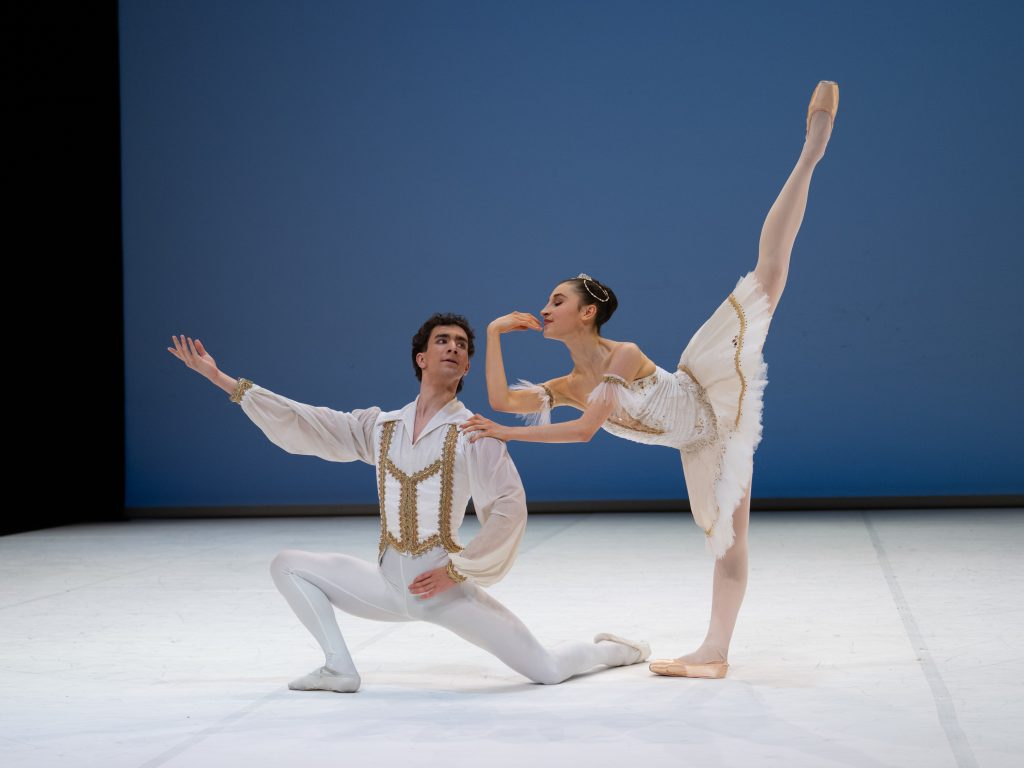
I’m very excited because I can see how much this prestigious event helps raise awareness of both the university and Hungarian dance. We organise this international competition, so the BBGP brings many talented young dancers to Hungary. We also invite internationally recognised artists, choreographers and company directors to be jury members. When they get to see the university’s facilities, meet our talented students and teachers, and take part in an international conference, we receive a lot of positive feedback. The numbers also speak for themselves. The growing interest in the competition is one clear sign, but the university’s own results are just as important. These include our facilities, student numbers, outstanding teachers, and the fact that 90% of our graduates find employment in the field.
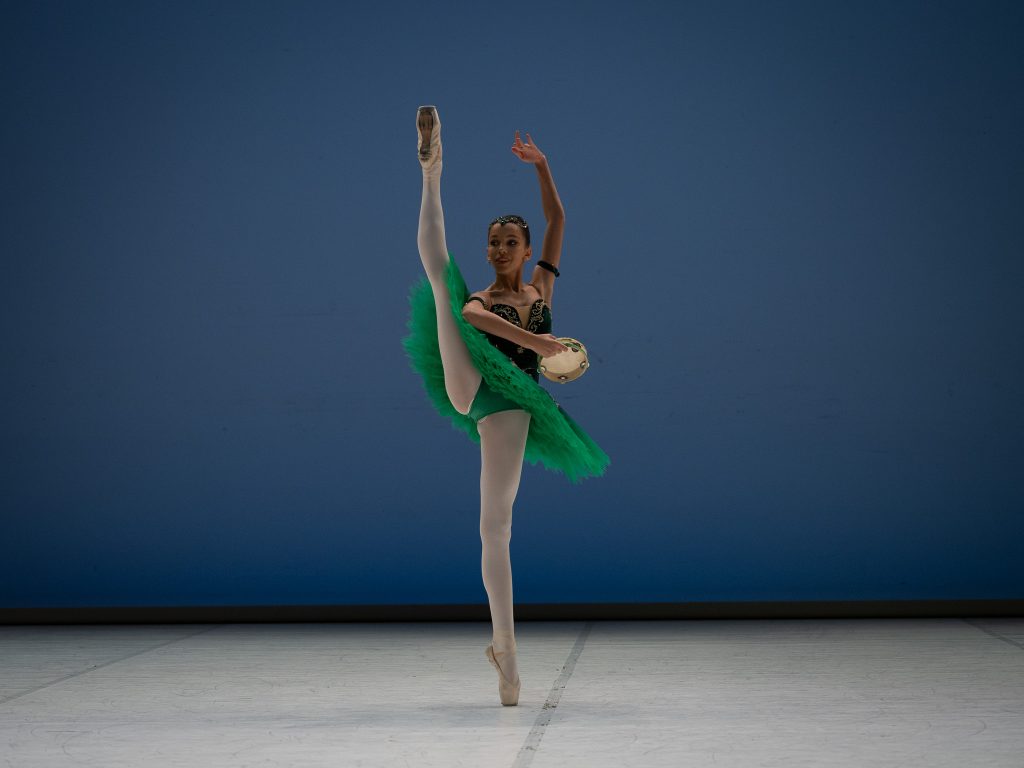
The BBGP Grand Prix winner 2025 – Valentina Mascini (Photos by Adrienne Horváth)
What do you think is behind this outstanding level of interest?
I think there are very few professional ballet competitions, and Budapest Ballet Grand Prix has always aimed to be one of them. At many similar events, amateur and professional dancers compete together, which makes it difficult to achieve the high standard expected from a professional competition. In my opinion, their main goal is not necessarily to deliver the highest artistic quality, they see the event more as a business opportunity.
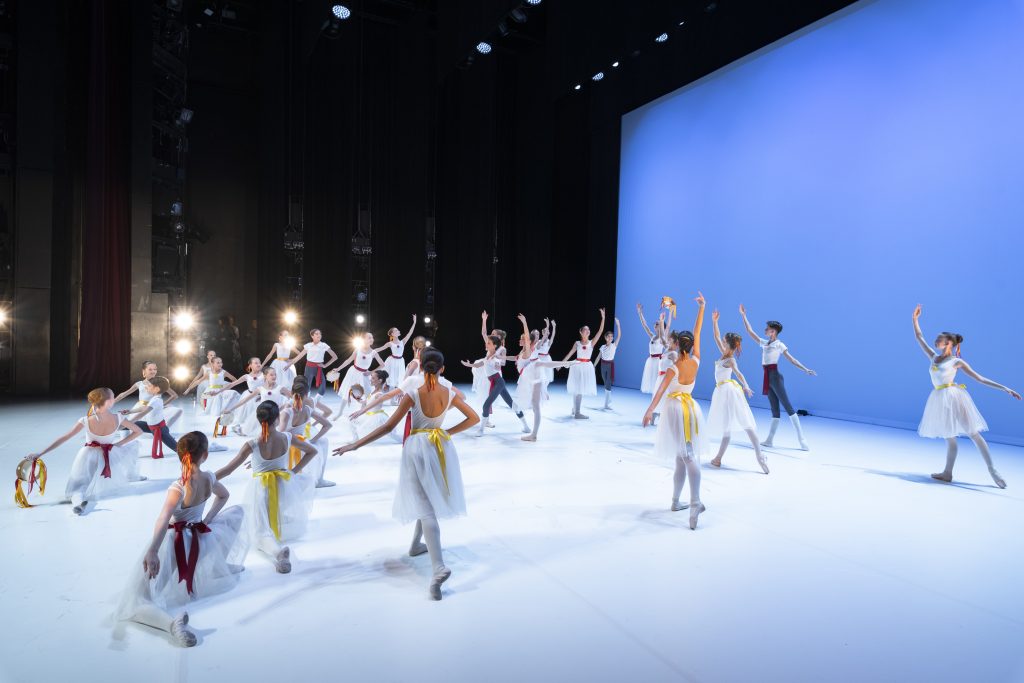
There are perhaps only four truly professional ballet competitions: Lausanne, Helsinki, Budapest and the Youth America Grand Prix (YAGP). The difference in standards is clear. A dancer who finishes in the top six at a YAGP European semi-final might not even make it to the final at Budapest Ballet Grand Prix. The quality of the BBGP is also reflected in the careers of its prize-winners. Most of them are now members of well-known European ballet companies or junior companies. Another reason for the strong interest is that dancers can compete not only in solo performances but also in the pas de deux category.
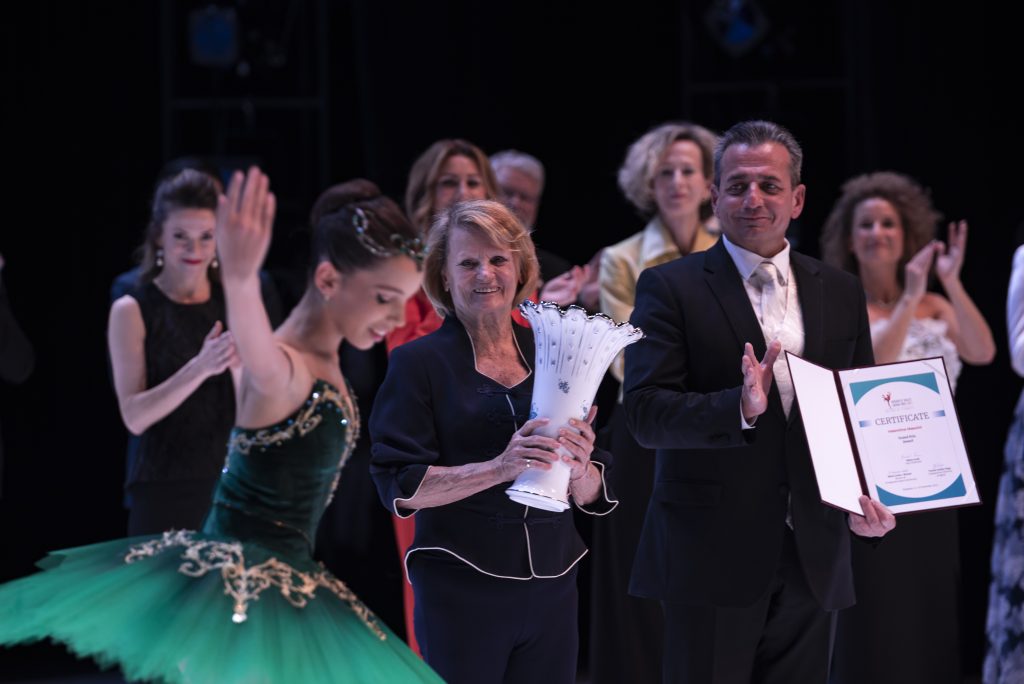
In addition, everyone must demonstrate their skills in a contemporary dance piece. We also offer several unique opportunities, including workshops and the chance to meet and talk personally with internationally renowned jury members.