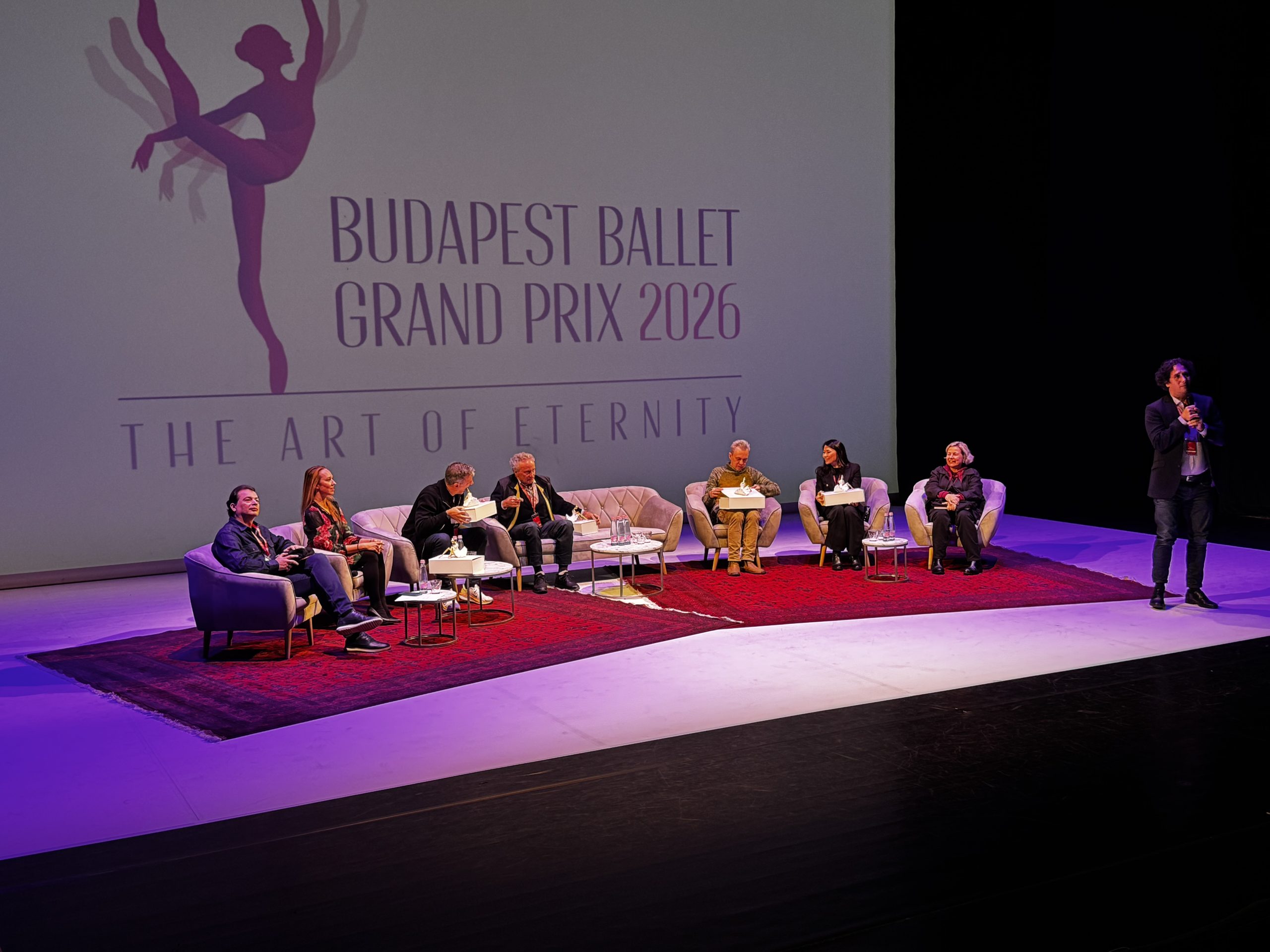
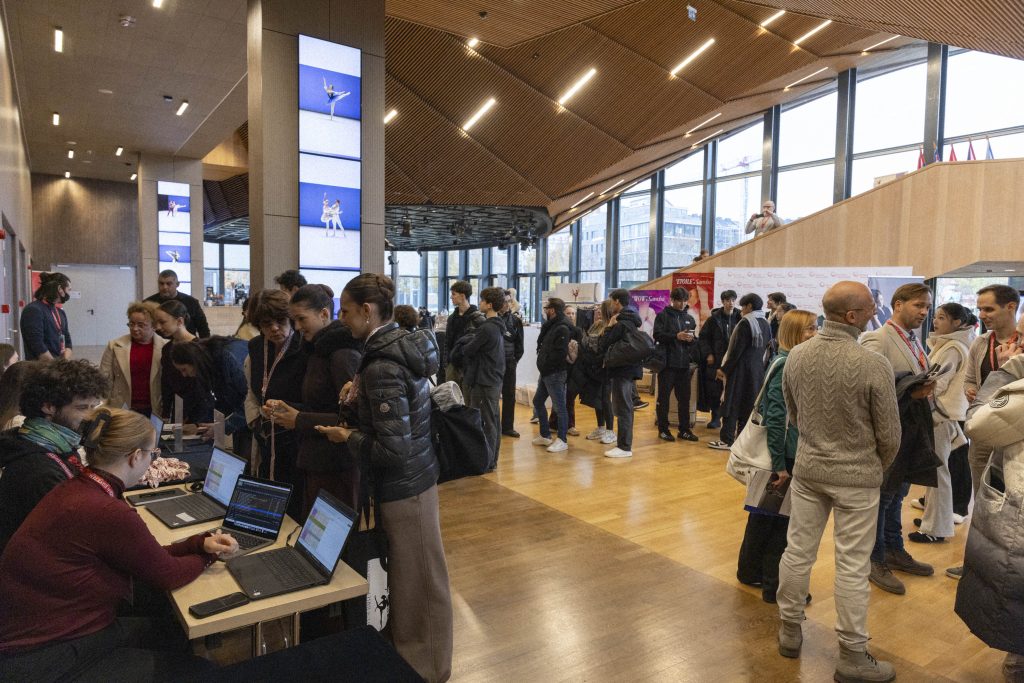
Distinguished ballet stars on stage, excited competitors in the auditorium—as strange as it may seem, this was the case. The 4th Budapest Ballet Grand Prix—one of the largest ballet competitions in Hungary, turning the spotlight in Central-Europe—officially kicked off on Sunday evening at the National Dance Theatre. The event’s star-studded jury took their places on stage for the “Meet the Jury” session, while the 98 competitors—selected from 23 different countries—sat in the auditorium. From Monday through Thursday, the roles will be reversed; for now, however, the usual order was flipped.
Photos by Pál Csillag
The caliber of the jury and the growing popularity of the competition are reflected in the significant interest surrounding the BBGP: the final field of 98 competitors was selected from an initial pool of 200 applicants representing 41 countries. The event’s popularity is further underscored by the strong media presence, with major Hungarian outlets, several television crews, and media representatives from China, France, and Germany all registered to cover the proceedings.
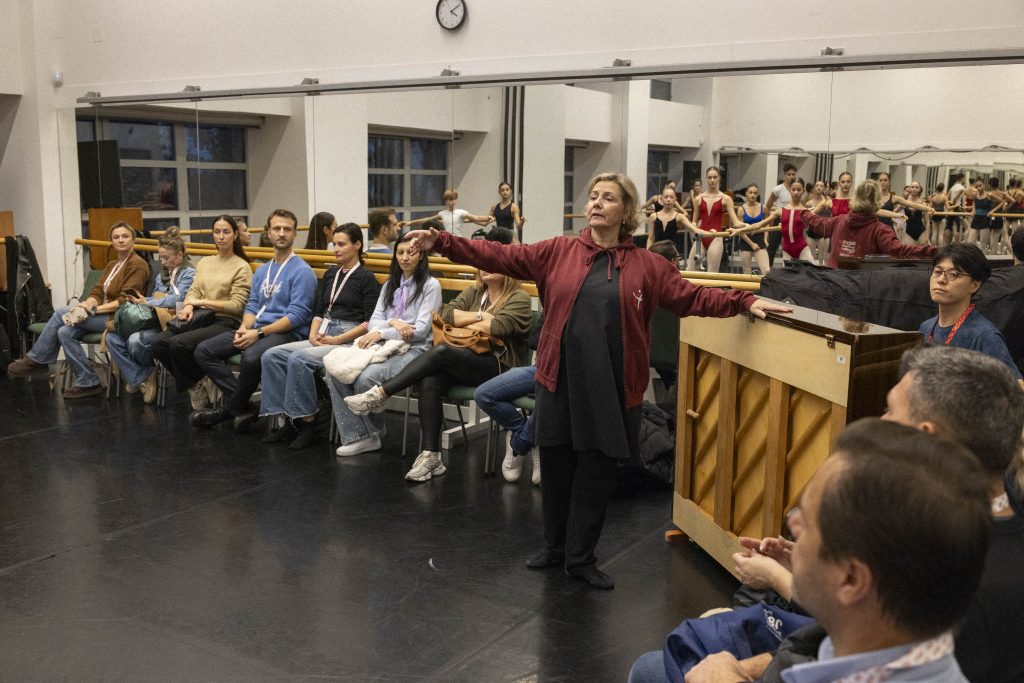
On the competition’s “Day Zero,” attendees had the opportunity to participate in ballet classes led by the esteemed master teacher Anita Magyari and the internationally renowned David Makhateli, followed by the start of the registration process at the National Dance Theatre in the afternoon. The day concluded with the “Meet the Jury” roundtable discussion, offering BBGP contestants the chance to get familiarized with the jury members and the ballet masters working with them during the week.
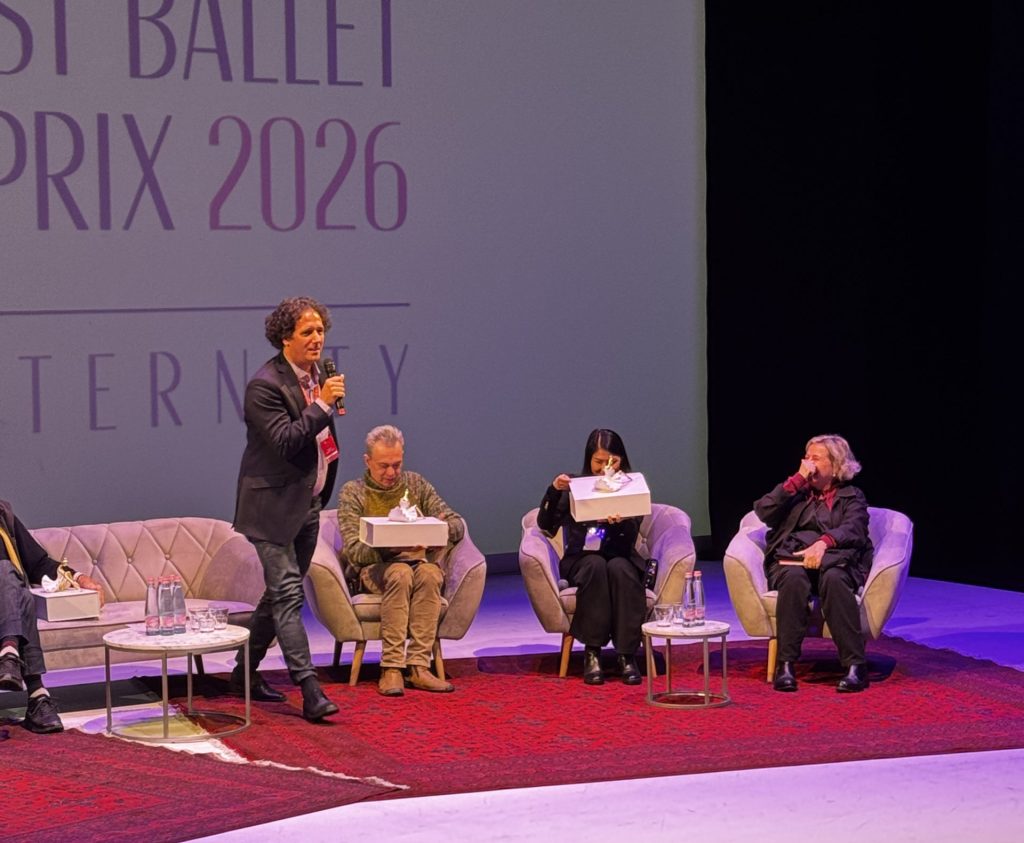
Held at the National Dance Theatre, the session featured a nearly hour-long conversation between BBGP Competition Director Tamás Nagy—who himself enjoyed a stellar ballet career in both Hungary and the Netherlands—and the jury members present. In the first part of the discussion, Nagy introduced the BBGP jurors and invited them onto the stage. He then asked these esteemed dance artists about the qualities they believe companies look for in a dancer, as well as their personal connections to Budapest.
The participants included Youri György Vámos—a highly regarded ballet artist, choreographer, and the jury president, celebrated in Hungary, Germany, and across the globe; Vladimir Malakhov, an Austrian “ballet superstar” whose life story—from his athletic family background to his history with the Bolshoi Ballet—is truly worthy of a film; Nina Poláková, the director of the Slovak National Ballet and an exceptional artist in her own right; Raimondo Rebeck, the ballet director at the Badisches Staatstheater Karlsruhe; and Aliya Tanykpayeva—a former principal soloist with the Hungarian National Ballet who knows Budapest intimately. Each of them spoke warmly and informally about themselves and what the contestants might expect during the competition.
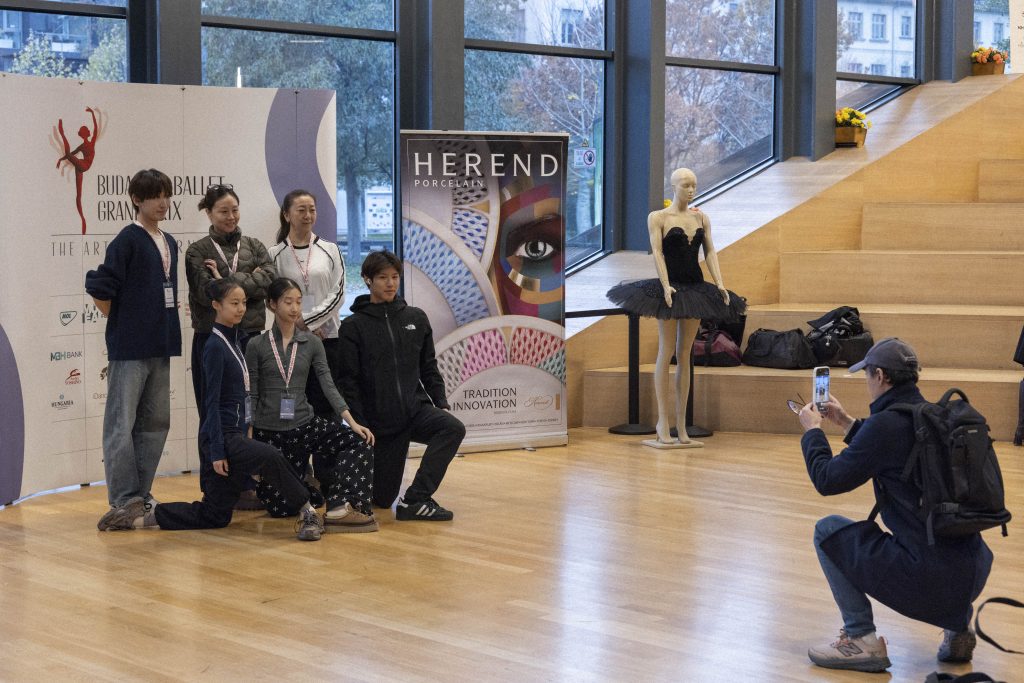
The jury members—who have achieved virtually everything possible as dance artists—drew upon examples from their own lives to illustrate why a career as a ballet artist is a life worth living and a path worth pursuing. A wide range of topics was covered, and many questions were fielded from the audience; one could have listened to these world-renowned figures for hours.
A similar future awaits the young participants—certainly many of them—as the field at this year’s Budapest Ballet Grand Prix is exceptionally strong. Those in the know had anticipated this; it is no coincidence that tickets for the final and the Gala at Müpa Budapest have been sold out for weeks.
For those unable to witness this high-caliber competition in person, a one-hour summary of the Budapest Ballet Grand Prix will be broadcast on the M5 television channel on December 6th—St. Nicholas Day—at 9:30 PM.