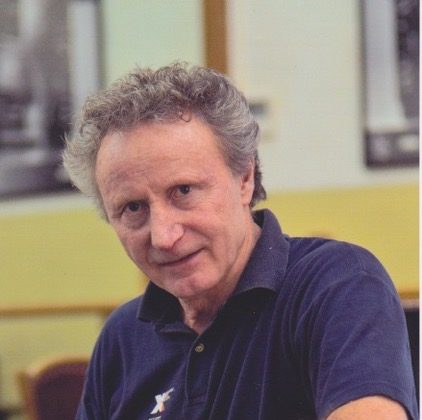
The strength of Hungarian dance lies in its internationally famous artists. One of the most outstanding among them is György Vámos, who will chair the jury as the Hungarian member of the panel at the fourth edition of the Budapest Ballet Grand Prix. Although he explains in this short interview that ballet cannot be measured in the same way as sport, we will start by drawing a parallel with sport: Vámos has a great eye for what is happening on the “pitch”. And he does so exceptionally well.
Why does he do it so well? Because of his outstanding, world-class career as a dancer and choreographer, which has earned him widespread recognition. According to A History of Dance in the 20th Century in One Volume, published by Arte, Youri Vámos is “perhaps the finest narrative choreographer of our time.” (A side note: he changed the spelling of his first name after repeatedly finding that Germans struggled to pronounce “Gyuri,” the Hungarian diminutive of György.)
It is hard to argue with the assessment of dance history, because numbers are not the only things that speak for themselves; the retrospective evaluation of artistic achievement can be just as telling. After all, the impact can be measured! That was precisely the point Gyuri made when we asked him what criteria the jury uses to evaluate young dancers during the competition.
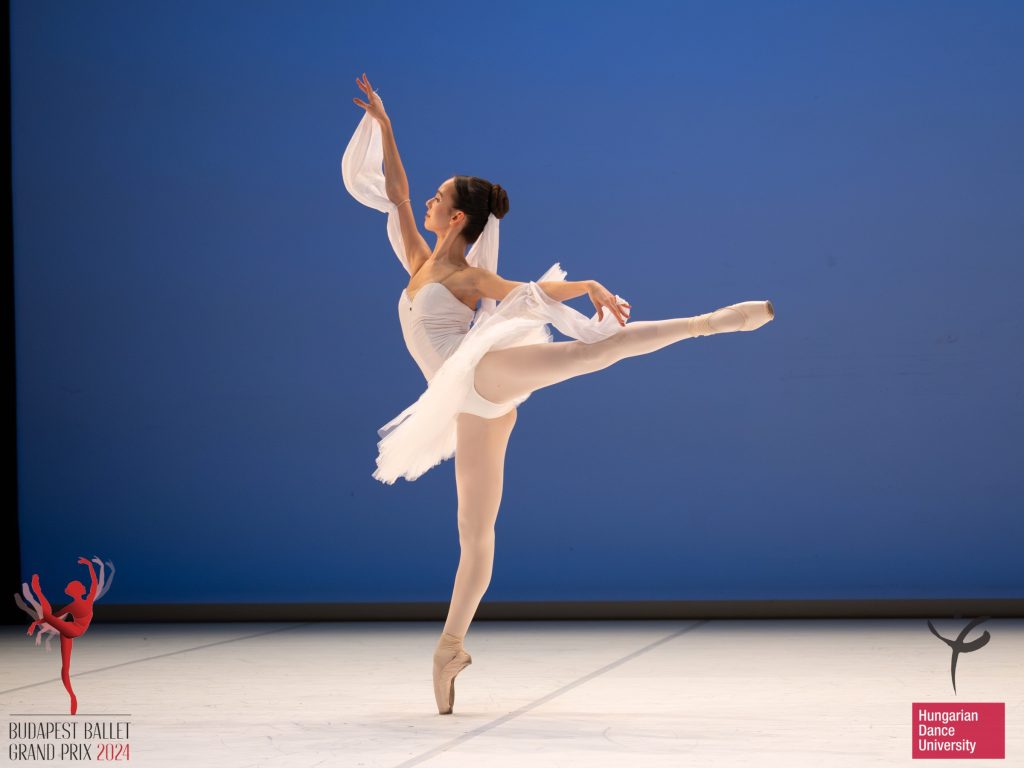
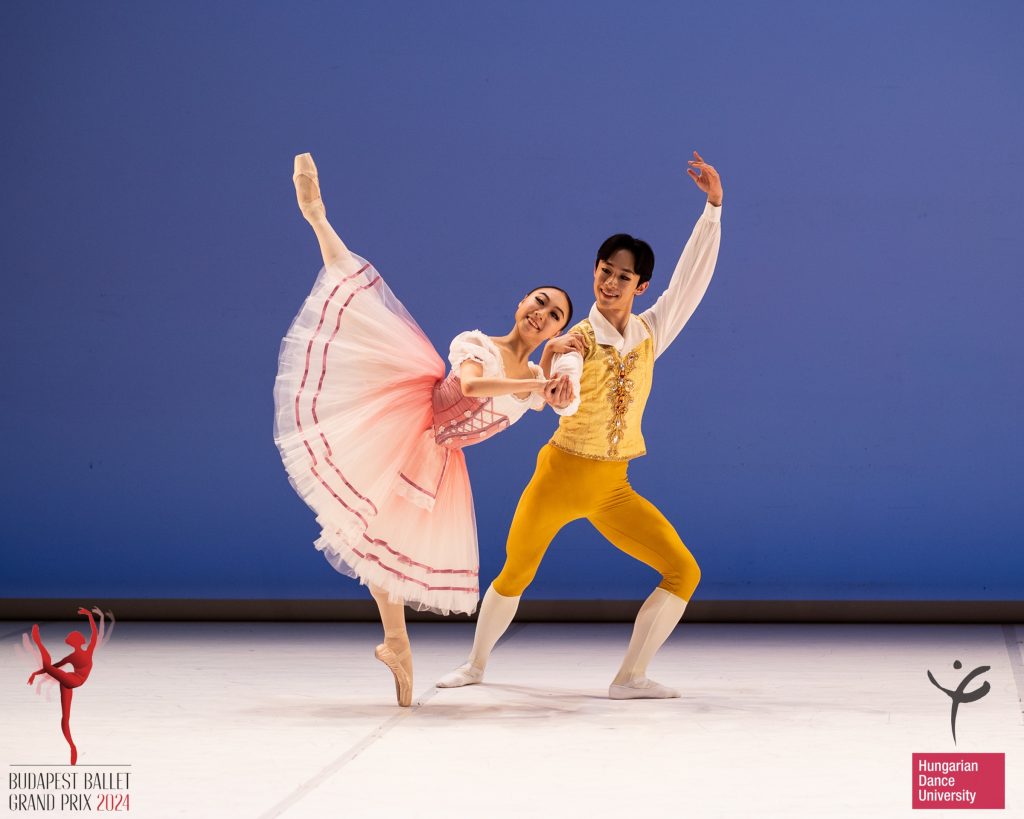
“An artistic competition always raises questions, particularly when it comes to the performance of ballet dancers. Anyone who enters this competition is sure to have excellent technique, but we don’t have a stopwatch or a tape measure. Although ballet may look like a sport in terms of the work involved, it is not a sport. The subjective aspects of movement can be interpreted very differently by those observing it from the outside. The same is true of opera singers: out of 20 performers with equally excellent intonation, only one may build a successful career. The ability to convey one’s performance to the audience, whether through dance or singing, is a natural ability. If a dancer succeeds in doing so, they become more than just a good dancer: they become a dance artist. That is what we are looking for, and that is the big question when it comes to making our decision, because every jury member has a different opinion.”
Gyuri Vámos was known as a performer for his excellent technique and powerful stage presence. He was trained at the Hungarian State Ballet Institute and was a member of the Hungarian State Opera from 1967 to 1972. From 1972 to 1985, he performed as a soloist at the Munich Opera House. He then spent three years as chief choreographer of Dortmund Ballet before becoming director of Bonn Ballet in 1988. In 1991, he took over as head of Basel Ballet, and later became director of Deutsche Ballett am Rhein in Düsseldorf, a position he held until 2010. Since 2010, he has worked as a guest choreographer, teaching his works to dance companies across Europe. He has also achieved major international success as a choreographer, so he knows exactly what matters most in helping a young dancer develop their talent.

“Over the past 50 years, I have worked with more than 100 professional dancers, and during many long and hard rehearsals, I have often been surprised by how hard work and even a little talent can lead to amazing results. Unfortunately, it is a great challenge to achieve what seems impossible: to communicate without words.
The body and the mind must make every movement count. It is not easy, but sometimes we succeed. We’re keeping our fingers crossed!”
We do exactly the same: We wish all the dancers good luck and the jury a successful competition!